When Cape York Partnership needed to digitize five life domains for remote Indigenous communities - money, education, health, home ownership, and employment - they needed partner willing to learn before building. Kablamo spent weeks in genuine partnership with Aboriginal stakeholders before writing a line of code, then delivered 14 features across 250+ screens in 15 weeks. Co-funded by the Department of Social Services. Used daily by 250+ people. Built to be owned and extended by the community itself.
Industry
Government & public sector
Service Offerings
Custom Software Development | Web & Mobile Product Build | UX, Research & Design | Cloud-Native Development
Technologies Used
AWS (Lambda, Aurora PostgreSQL, S3, SQS, EC2, CloudWatch, QuickSight, CodeBuild, CodePipeline), Go, TypeScript, React, Figma, Storybook; third-party banking integration
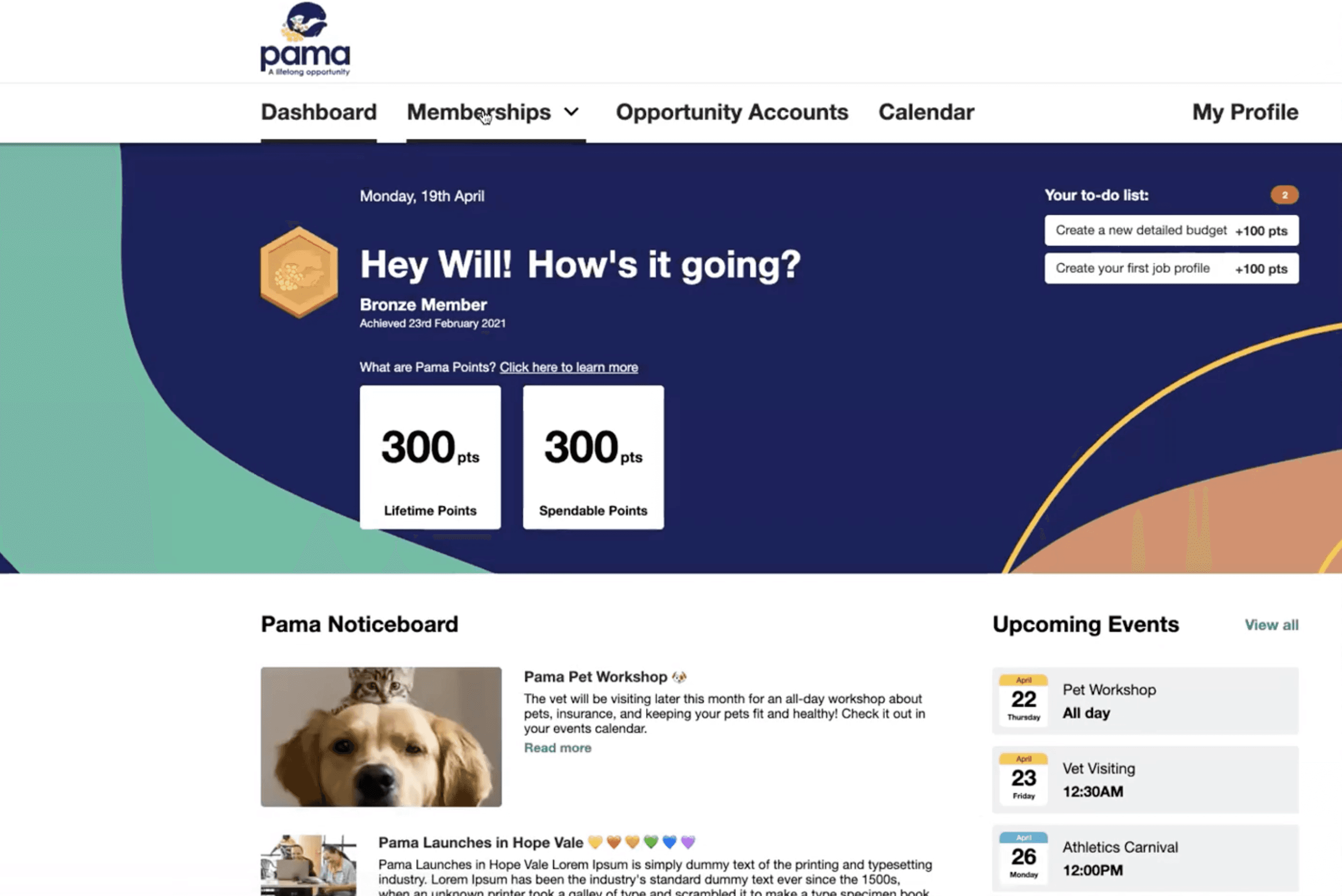
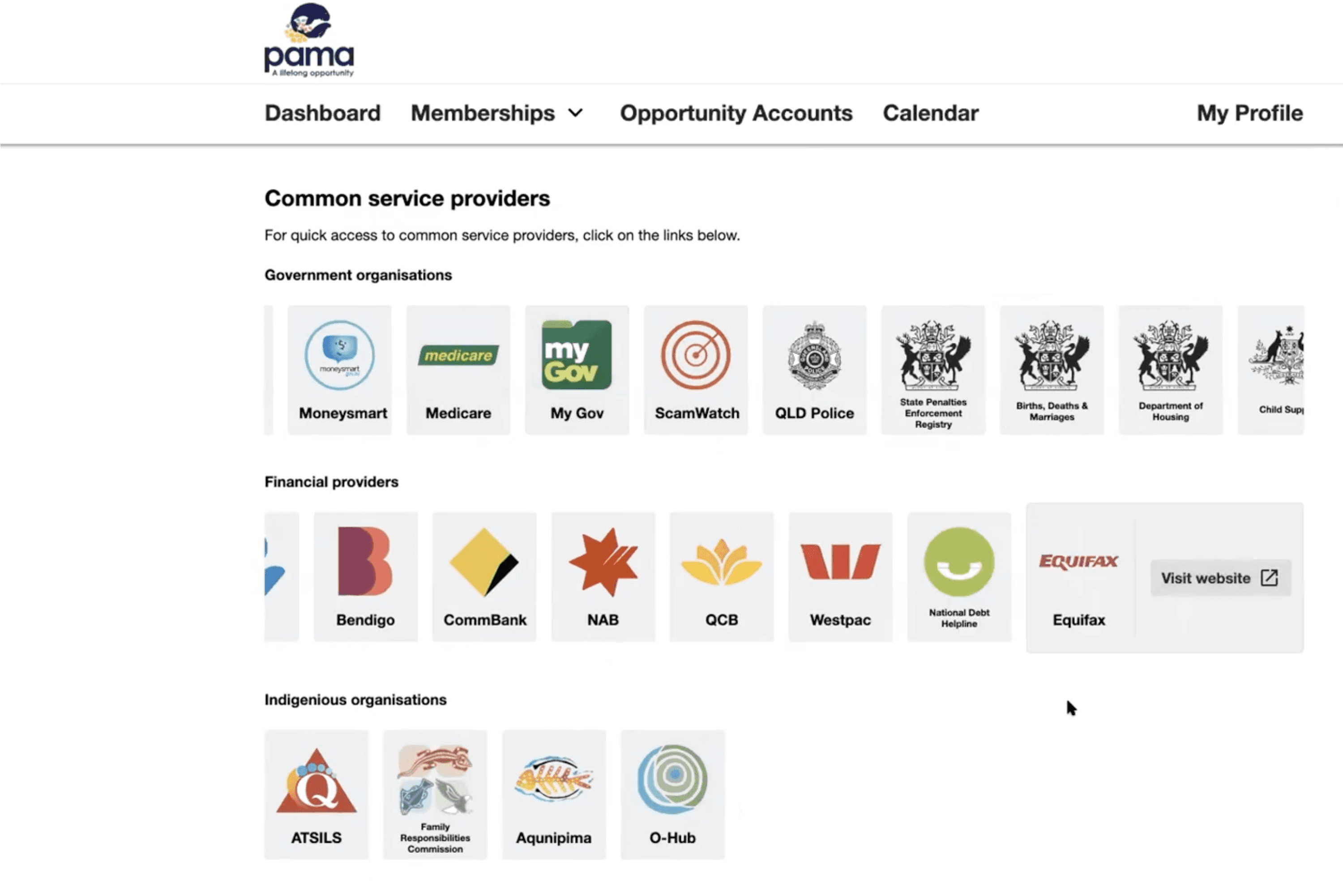

Cape York Partnership's O-Hub centres were already doing important work: helping Indigenous Australians manage trust accounts, build financial literacy, find employment, and access key services.
But the reach was limited by geography and the manual nature of everything — staff would apply for replacement identity documents on behalf of clients who'd lost them, budgeting education sat in disconnected offline resources, and there was no way to communicate at scale with a dispersed community. Previous digital solutions hadn't worked, not because the communities weren't ready, but because they weren't designed with them. Digital exclusion affects up to 75% of remote Indigenous communities, and the barrier isn't just access: it's relevance, usability, and respect for cultural protocols.
Kablamo's team spent considerable time with Cape York Indigenous stakeholders before any design decisions were locked.
Weekly co-creation sessions with CYP staff shaped everything: familiar interaction patterns (Instagram-style navigation) for low-tech-proficiency users; step-flows over long forms for bandwidth-constrained remote connections; device-agnostic layouts for a user base ranging from entry-level smartphones to the latest iPhones; AA-compliant high-contrast colour palettes and boosted text sizes. The team invested heavily in a Figma/Storybook design toolkit upfront, enabling 14 features and 250+ screens to be built with consistency at pace. The AWS serverless backend (Lambda, Aurora PostgreSQL, S3, SQS, CloudWatch) included a secure third-party banking integration for trust and opportunity accounts. Builds deployed via fully automated CodeBuild/CodePipeline. Gamification (Pama Points, Streaks & Badges) made positive financial behaviour rewarding.
For many people in remote Cape York communities, applying for a job meant a staff member had to step in first - tracking down replacement identity documents, filling in forms on someone else's behalf. Not because the person couldn't do it. Because the system had never been built for them. Pama changed that.
Within 15 weeks, a platform existed that had never existed before and designed around the reality of remote life: slow connections, basic phones, varying literacy, and cultural contexts that mainstream software had never considered. Over 250 Indigenous Australians use it every day. Not as a government service delivered to them, but as something genuinely theirs. A place to manage money, store documents, find work, and stay connected to the community events that shape their lives.
The financial tools are where the impact runs deepest. Built into the platform is in-context education about the dangers of payday loans, unnecessary insurance, and “humbugging” (the social pressure that can erode someone's income before they've had a chance to plan with it). Users can create personalized budgets around particular goals and receive guidance on adjustments they can make to save. Judgement free and confidential.
The resume builder stores certifications and identity documents so they can't be lost, returning time, dignity, and a clearer path to work for communities where document loss had been a chronic, recurring barrier to employment.
The work wasn't just a project. It was proof that technology designed with people - not at them - can reach the ones who needed it most.