At ABC, thousands of content creators, journalists, and internal users access content archives every day. Kablamo helped ABC move over 90 years, 11 million-plus hours, and 6 petabytes of Australia's broadcast history into a modern, cloud-based solution that makes content discoverable in seconds, where it previously could take weeks.
Industry
Media & content
Service Offerings
Data Platform Engineering | AI & Machine Learning Engineering | Data Design | Cloud-Native Development | Ongoing Product Care
Technologies Used
AWS (S3, Lambda, API Gateway, SageMaker, Transcribe, Comprehend, Rekognition), Elasticsearch, GCP / Vertex AI, Gemini 2.0 Flash, Python, Node.js/TypeScript
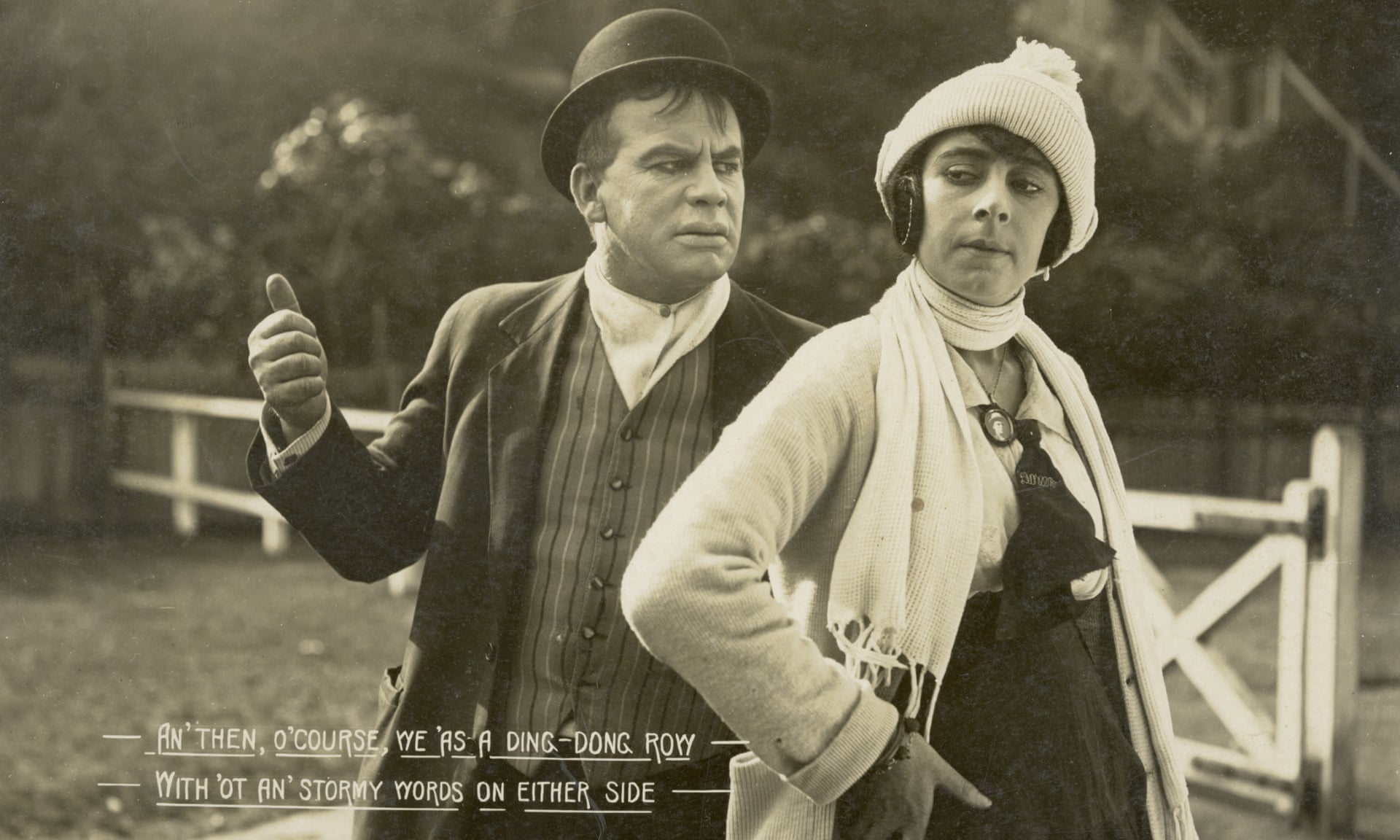
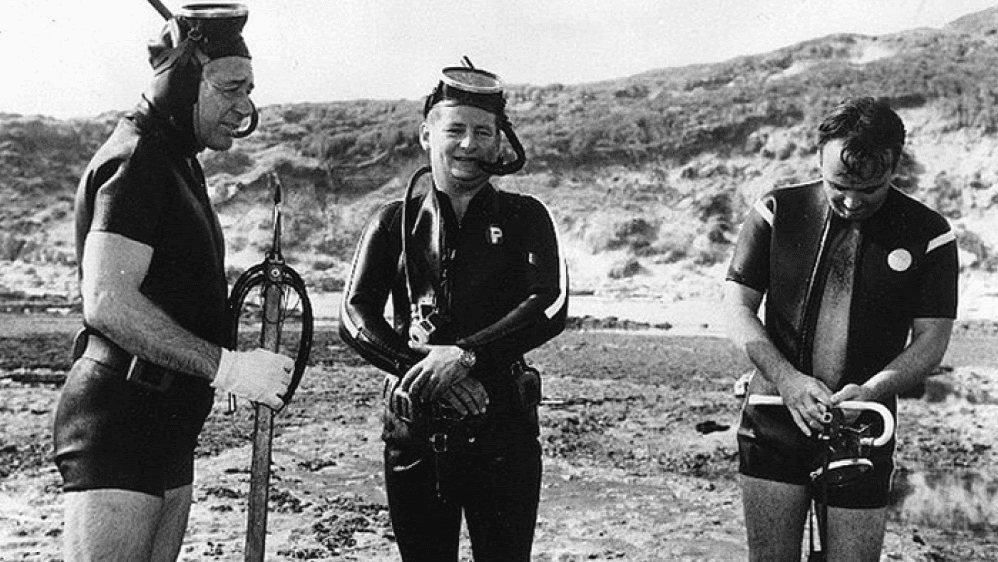

Like most national broadcasters, the ABC is the guardian of decades of rich audio, video, photography, and news history.
Like most national broadcasters, the ABC is the guardian of decades of rich audio, video, photography, and news history. But most of it was effectively invisible. Poor metadata, siloed formats, and manual search processes meant content makers spent hours scrubbing through footage to find specific clips — if they could find them at all.
Content creators could spend up to three weeks to complete a single search - navigating five disconnected on-premise storage locations, physical warehouses, and manual processes.
ABC needed to move to a digital archive with capabilities to serve the entire breadth of the ABC's operations, from historical research to live news and radio production - thousands of users who depended on the archive every day.
Kablamo consolidated records from five legacy systems into a single golden record schema, co-designed with the ABC, migrating several gigabytes of metadata to AWS S3 in just three months. Media assets — video, audio, and photo — were then aligned to this unified structure, organised in S3 with consistent IDs linking every file to its metadata record.
Using Amazon Transcribe, Kablamo achieved transcription accuracy exceeding 90% across the ABC's archives, making decades of previously unsearchable content discoverable for the first time. In total, 3 million records and 6 petabytes of content were moved into CoDA, which became the organisation's central content hub — integrating live news and radio editing workflows alongside the archive.
Within its first six months, CoDA processed more than two billion content requests and ingested nearly two million archives. Staff nationwide could access the full archive simultaneously, and journalists could locate archival footage in seconds — a task that had previously taken days or weeks.
CoDA hit production within three months, replacing five legacy storage systems with a single, scalable AWS cloud platform — eliminating physical infrastructure costs in favour of a pay-as-you-go model.
The ML transcription pipeline made the archive continuously more discoverable, expanding the searchable corpus with every piece of content processed.
By the numbers: 91 years of Australian broadcasting history — 11M+ hours, 6 petabytes — automatically tagged 500,000 video segments processed concurrently at peak 1 million video records analyzed in two weeks Content discovery reduced from hours to seconds Previously uncategorized content now surfaced daily ABC recognized as a leader in ethical AI in public media