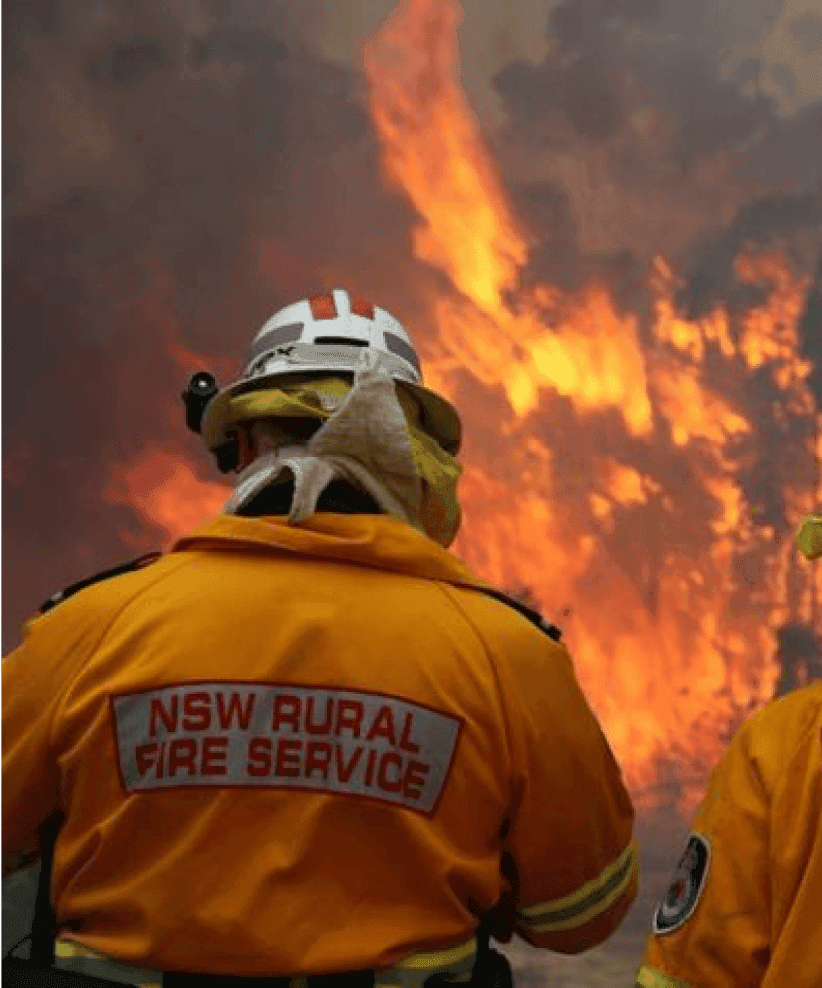
North American utilities face mounting wildfire liability — and regulators are demanding proof of proactive risk management. Kablamo partnered with Forsite to build RiskView: a SaaS platform that delivers daily automated risk analysis across entire transmission networks, 5-day fire spread predictions, real-time incident feeds, and automated alerts — turning siloed geospatial data into explainable, line-segment-level risk intelligence. Canada's first utility customer was live within nine months.
Industry
Emergency services & public safety
Service Offerings
Data Platform Engineering | AI & Machine Learning Engineering | Streaming & Real-Time Data Pipelines | Data Design | Cloud-Native Development | Ongoing Product Care
Technologies Used
AWS (multi-tenant), PYroCell, FlamMap, Temporal, Auth0, ESRI/GIS, SpotWx + ERA5, Intercom, PostgreSQL
Regulators and insurers are demanding documented, proactive risk management. And when a wildfire moves fast, a 24-hour-old report is already history.
Manual risk assessment at transmission-network scale is impossible. Utilities hold weather data, asset registers, vegetation surveys, and terrain models — but none of it adds up to the answer risk managers actually need: which line segments are most exposed right now, and what to do about it.
Kablamo built a cloud-native, multi-tenant SaaS platform on AWS that runs daily automated risk analysis across the full utility network.
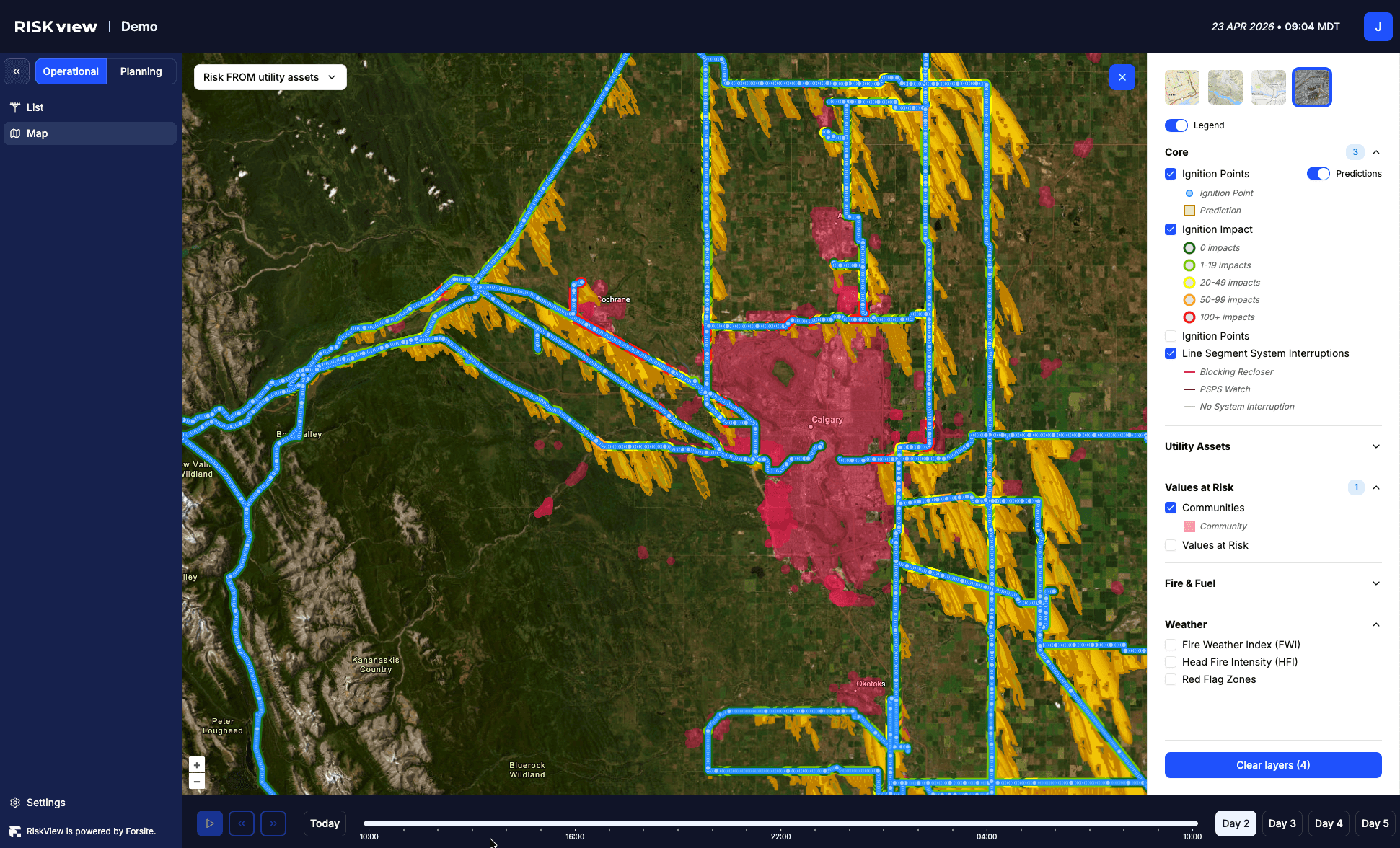
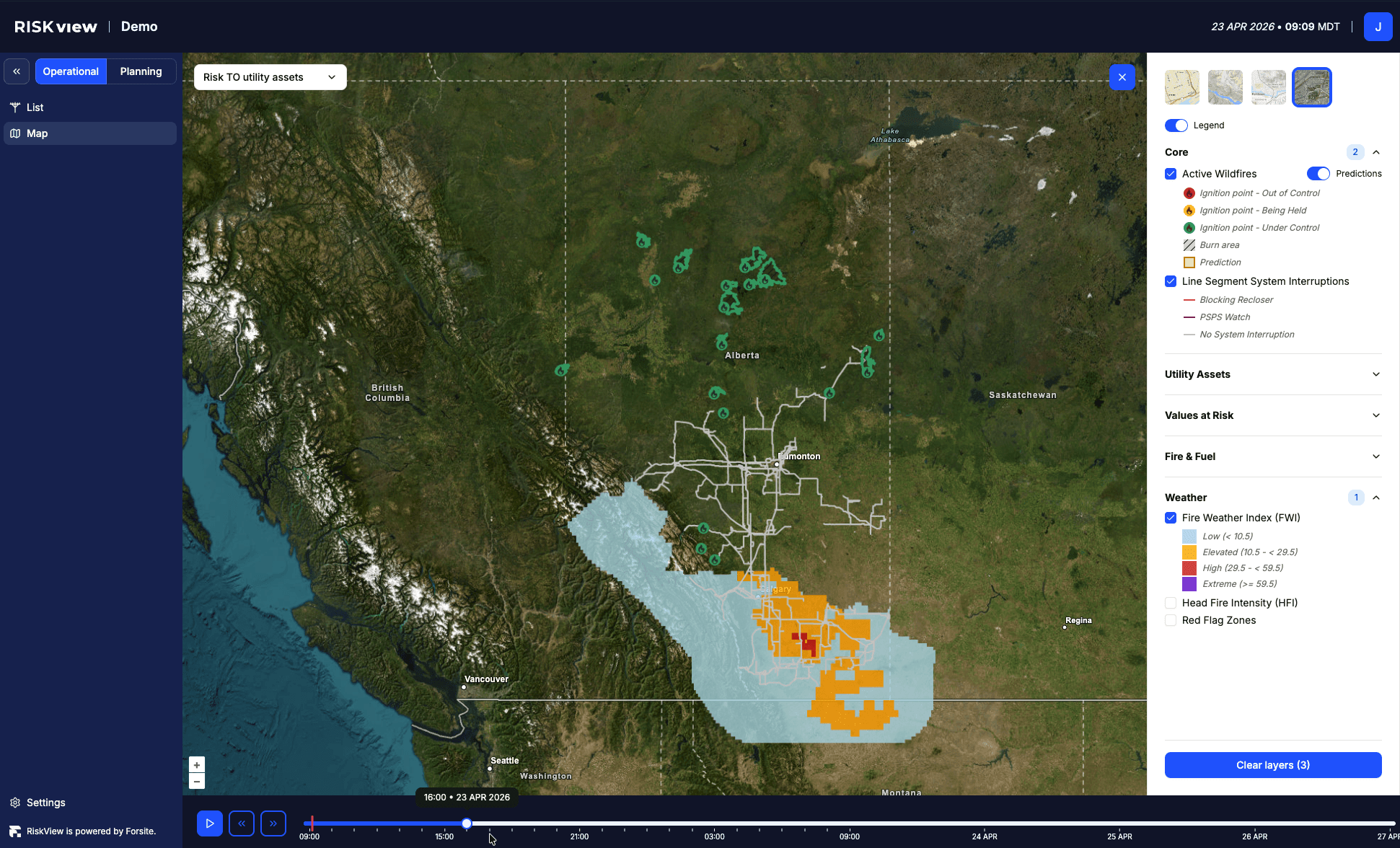
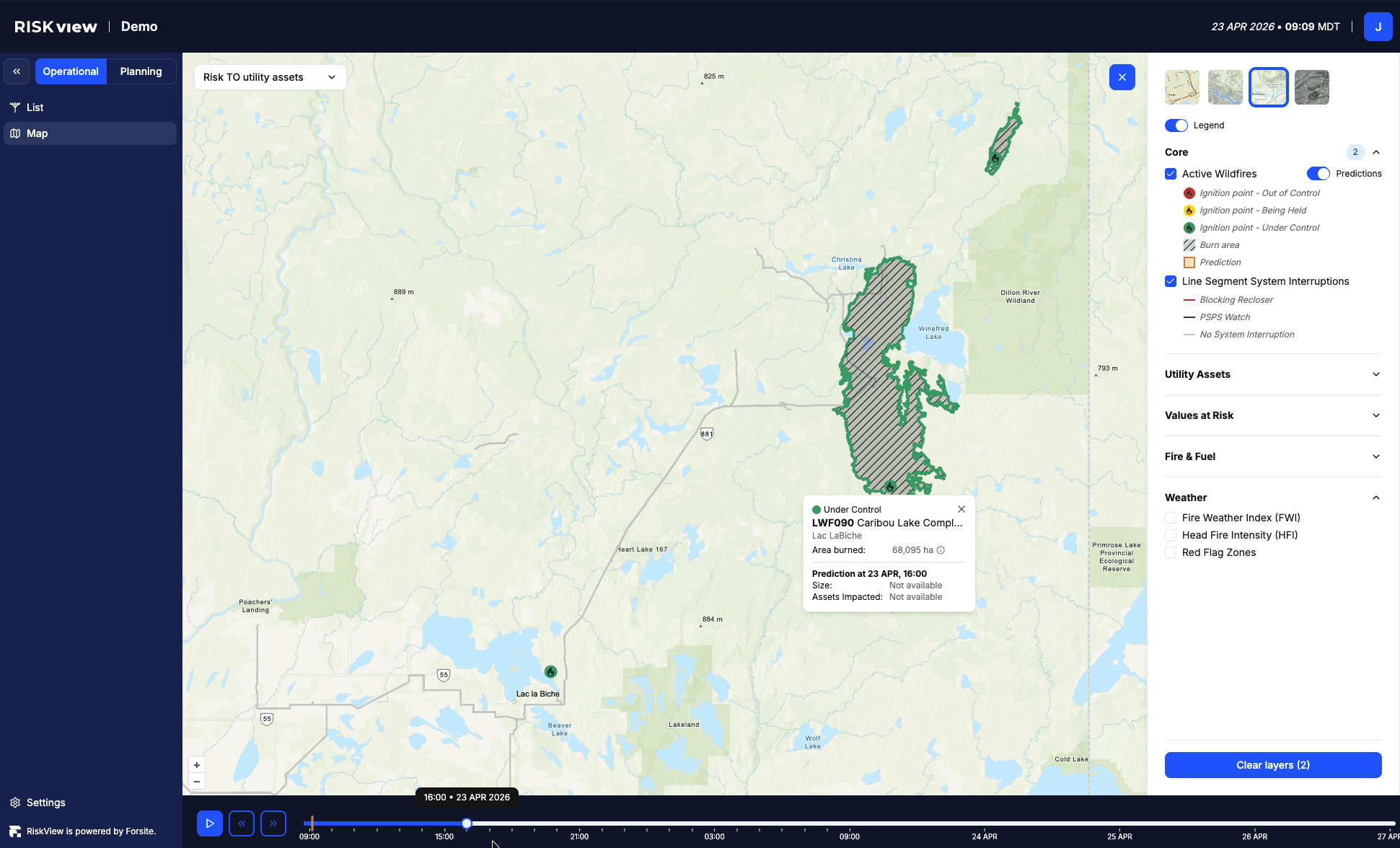
The new product, RiskView, ingests PYroCell ignition-risk modelling, FlamMap fire spread, real-time weather via SpotWx and ERA5, and provincial incident feeds, all visualized on interactive ESRI maps at line-segment granularity.
A centralized dashboard gives operations teams rapid triage visibility, while automated email alerts deliver a daily 7-day System Interruption forecast, a daily Assets at Risk report, and real-time notifications when an out-of-control wildfire enters proximity of utility assets.
Role-based access via Auth0 and Temporal workflow orchestration ensure the platform is secure, auditable, and always running.
RiskView's first Canadian utility customer was live within months of project launch. The platform processes 250,000+ ignition points per daily modelling cycle, completes in under 4 hours, and maintains ≥99.5% uptime through fire season. Human risk analysis time dropped from hours to minutes.
But the numbers behind the platform matter less than what the platform makes possible: A shift from reactive response to proactive mitigation planning.
Utilities gain a centralized, real-time view of wildfire risk to and from their infrastructure by tracking active wildfires and identifying assets prone to ignition. Daily, automated insights inform timely response: dispatching vegetation crews pre-season, de-energizing vulnerable lines before a fire starts, and acting on 5-day risk forecasts instead of reacting to a crisis.
RiskView doesn't eliminate wildfire risk. But it gives the people responsible for managing that risk something they haven't had before: time. Time to prepare and protect. Enough time to act.